Deck and Fence Staining Schedule: How Often to Recoat in Rochester
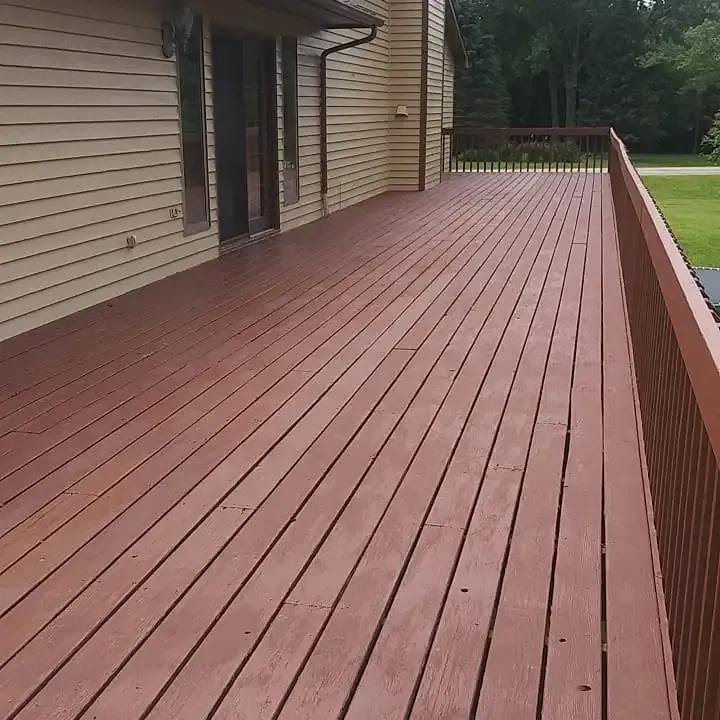
Most decks in Rochester need fresh stain every one to three years, while most fences can go five to seven years between coats. That gap comes down to position. Your deck lies flat, so it holds standing water, takes direct sun, and gets walked on. Your fence stands upright, so rain runs off before it soaks in.
Those ranges are starting points, though, not guarantees. Minnesota weather can push your deck toward the short end faster than you expect. Below, you will find how to read your own wood, what schedule fits each surface, and why late fall is a better time to act than most homeowners think.
Why Rochester Weather Shortens the Schedule
Freeze-thaw cycles are the main reason exterior wood ages faster here than in milder states. Water seeps into small cracks, freezes, widens the opening, then thaws and seeps deeper. Repeat that through a Minnesota winter, and the stain loses its grip on the grain.
Summer adds the second half of the problem. Humidity keeps wood damp longer, and UV light breaks down the pigment that shields the surface. The same forces wear down siding and trim, which is why Rochester's climate is so hard on exterior finishes in general. So if a friend in a drier state restains every three years, plan on something closer to two.
Deck and Fence Staining Schedule by Surface
Here is the short version: horizontal surfaces need attention about twice as often as vertical ones. Use the table below as your baseline, then adjust for sun and moisture.
| Surface | Typical Recoat Window | What Shortens It |
|---|---|---|
| Deck boards and stair treads | 1 to 3 years | Full sun, foot traffic, standing water |
| Deck railings and posts | 2 to 4 years | South-facing exposure, snow buildup |
| Fence panels | 5 to 7 years | Sprinkler spray, ground contact |
| Shaded or low-use areas | Longer end of each range | Poor airflow, mildew |
Your stain type matters too. Consumer Reports testing found that semi-transparent stains will likely last only about two to three years on a deck, while solid stains hold up noticeably longer. Check the label on whatever went down last, because that tells you more than the calendar does.
Signs Your Wood Is Overdue for Stain
The fastest check takes about 30 seconds. Sprinkle water on the surface and watch it. If it beads up, your stain is still doing its job. If it soaks in and darkens the board, you are due.
Beyond that test, keep an eye out for these:
- Faded, chalky, or patchy color along walking paths
- Gray or silvered patches where the original tone has worn away
- Small cracks, splinters, or raised grain on boards and rails
- Dark mildew streaks in shaded, low-airflow corners
- Rust marks bleeding out around nail or screw heads
If you spot two or more of these, move the job up your list.
What Happens If You Wait Too Long
Waiting turns a simple recoat into a much bigger project. Once stain wears through, bare wood absorbs water directly, and that moisture leads to swelling, splintering, and eventually rot that cleaning cannot reverse.
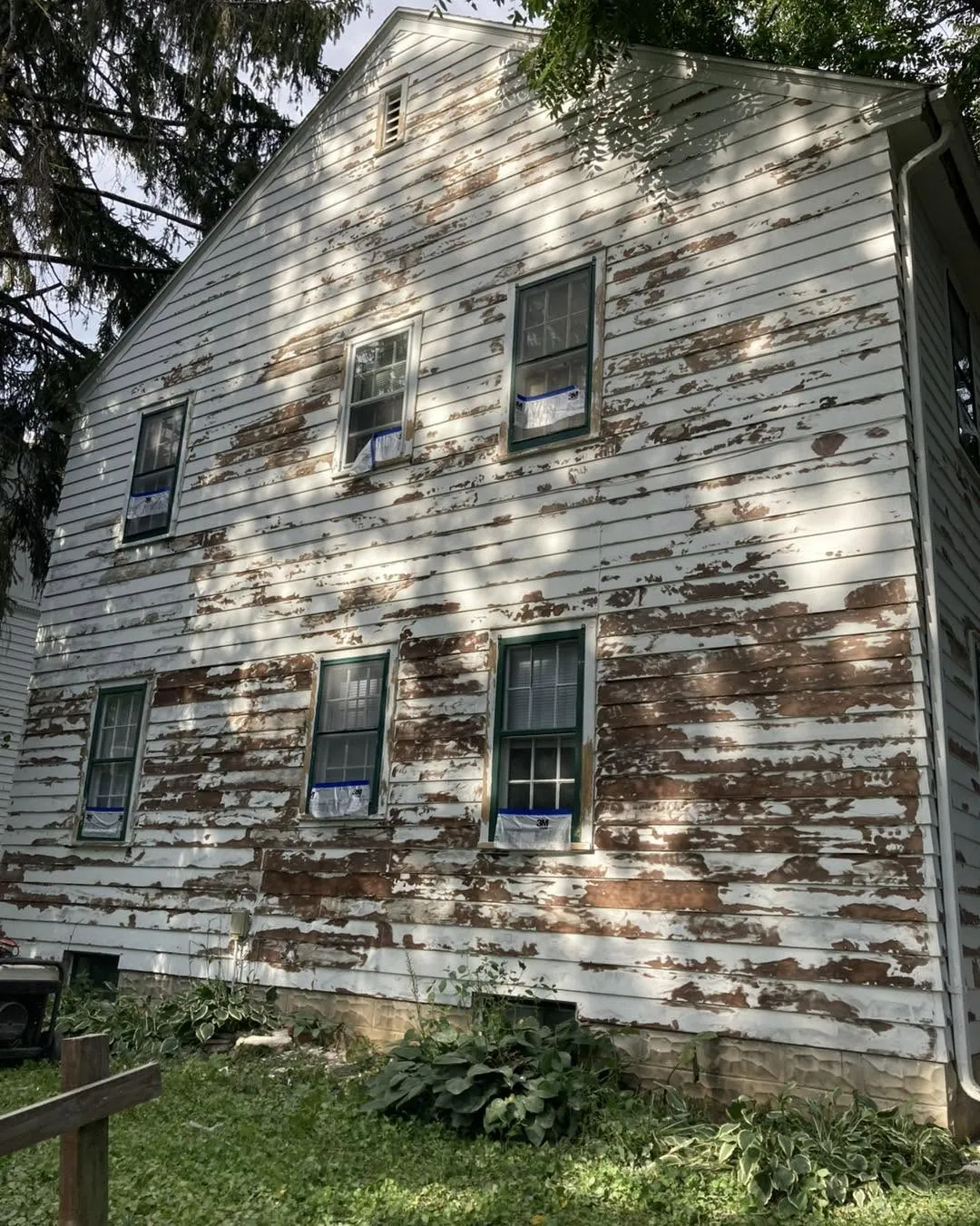
At that point, the old finish has to come off before anything new goes on. That means professional paint removal, which is its own job with its own cost, and sometimes replacing boards that have gone soft. The math is straightforward: routine recoating costs less than stripping, sanding, and carpentry combined. If you are debating whether to strip old finish yourself, it is worth reading why paint removal is usually better handed off first.
How to Get the Most Out of Each Coat
Preparation does more for stain life than the product you choose. Clean, dry, properly brightened wood lets stain soak in instead of sitting on top where it can peel.
Here is the basic order:
- Wash the surface. Remove dirt, mildew, and any loose or flaking stain.
- Apply a wood brightener. This evens out the tone and opens the grain so stain can penetrate.
- Let it dry fully. Give it two to three days after washing, longer in humid weather.
- Handle small repairs. Reset popped nails, tighten railings, and swap out cracked boards.
- Stain in thin, even coats. Wipe away anything that pools, since puddled stain dries sticky.
Skipping step three causes more early failures than anything else. Stain applied over damp wood peels within a season, which is the same reason prep work decides how long an exterior job lasts.
Timing Your Project Before Winter Sets In
Yes, you can still stain in November around here, as long as daytime temperatures stay inside the product's cure range. Most penetrating stains list a minimum application temperature near 50 degrees, so read the label before you start. Early in the month gives you the best odds.
The advantage of going now instead of waiting for spring is simple. Your wood spends the whole freeze-thaw season protected rather than exposed, and one unprotected winter can undo several years of good maintenance.
If the cold arrives before you can book, though, do not force it. A coat that never cures properly is worse than no coat at all. Wash the surface, keep leaves and snow cleared off the boards, and get on the schedule early in spring instead. Our residential painting crews handle deck and fence staining throughout Rochester, Stewartville, and surrounding communities, and we are out working Monday through Saturday.
FAQs About Deck and Fence Staining
How do I know if my deck needs a recoat or full stripping?
If the color is faded but the finish is mostly intact, a wash and recoat will do. If the wood is bare, cracked, or gray across large areas, it needs stripping and sanding first.
Can you still stain a deck in November in Minnesota?
Yes, when daytime temperatures hold within the stain's cure range. Scheduling early in the month gives the coat time to set before harder cold moves in.
Why do fences last so much longer than decks?
Fences are vertical, so water runs off instead of pooling. Decks are flat, which means standing water, direct sun, and foot traffic all working on the same surface.
What if I skip a staining cycle completely?
Bare wood takes on moisture, and that leads to warping, splintering, and rot. Fixing that damage almost always costs more than the coat you skipped.
Does staining on schedule actually save money?
It does. Washing and recoating takes far less labor than stripping, sanding, and replacing rotted boards, which is where neglected wood usually ends up.
Schedule Your Deck and Fence Staining
Ready to get a protective coat down before winter sets in? Call Rochester Painting Company at (507) 551-5262 or reach out through our contact page for a free estimate. We will look over your deck and fence, tell you honestly whether you need a recoat or a full restoration, and build a maintenance schedule around your property.
SHARE THIS ARTICLE
Recent Posts