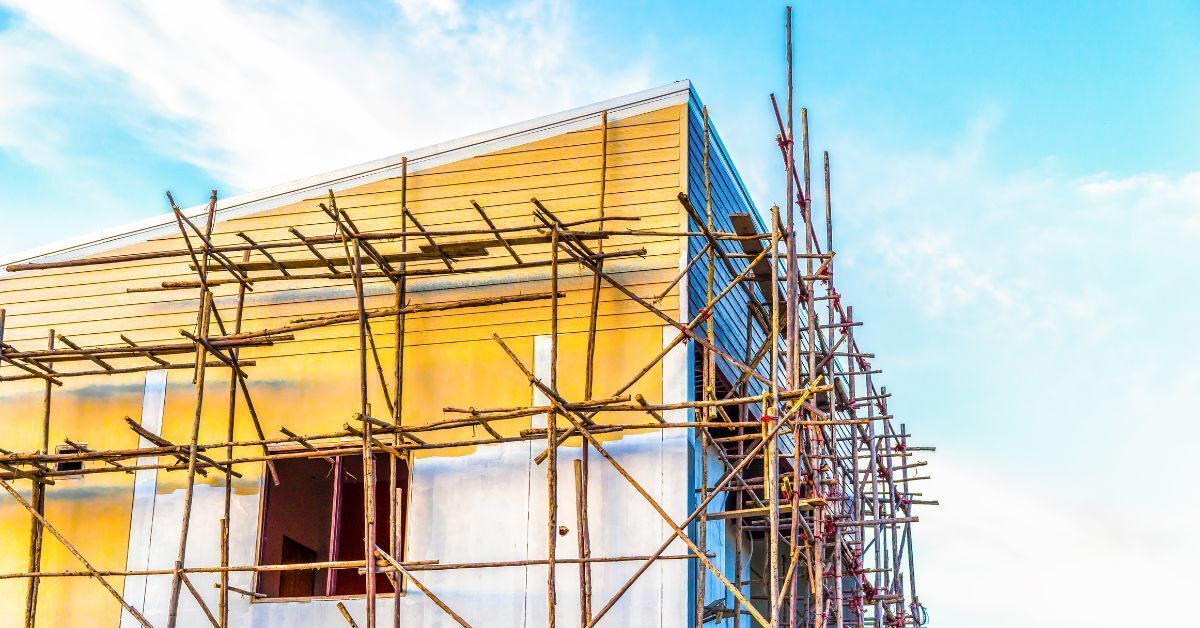
How Rochester’s Extreme Climate Damages Exterior Paint and How to Stop It
If your home’s exterior paint starts peeling, cracking, or bubbling after only a few years, Rochester’s weather may be partly responsible. Exterior painting in Rochester, MN must withstand freezing winters, wet spring conditions, summer heat, moisture, and major temperature changes.
On Rochester-area homes, we frequently find early peeling around window trim, gutters, shaded siding, and areas where failed caulk allows moisture to reach exposed wood. The right preparation, products, and application timing can make the difference between lasting protection and another early repaint.
This guide explains what damages exterior paint, which warning signs to watch for, and how professional residential painting services can help protect your home.
Why Is Rochester’s Climate So Hard on Exterior Paint?
Rochester’s large seasonal temperature changes repeatedly
stress siding, caulk, primer, and paint. Exterior materials expand during warmer weather, contract during colder weather, and absorb moisture throughout the year.
National Weather Service climate normals show that Rochester’s average monthly temperature is 14.7°F in January and 70.5°F in July, based on the 1991-2020 normal period.
Each season creates different risks:
| Season | What Happens to the Exterior | Possible Paint Damage |
|---|---|---|
| Winter | Cold temperatures cause materials to contract | Cracking and weakened adhesion |
| Spring | Snowmelt and rain increase moisture exposure | Peeling, mildew, and wood damage |
| Summer | Heat and sunlight warm exterior surfaces | Fading, blistering, and expansion |
| Fall | Temperatures and dew points change quickly | Slow drying and curing problems |
Paint protects your home only when it remains firmly bonded to a clean, dry, and stable surface. Once the coating cracks or separates, water can move underneath it and accelerate further damage.
How Does the Freeze-Thaw Cycle Damage Exterior Paint?
The freeze-thaw cycle damages exterior paint by repeatedly moving and stressing the material beneath it. Wood siding is especially vulnerable because it absorbs and releases moisture as seasonal conditions change. That repeated expansion and contraction can stress caulk, primer, and paint.
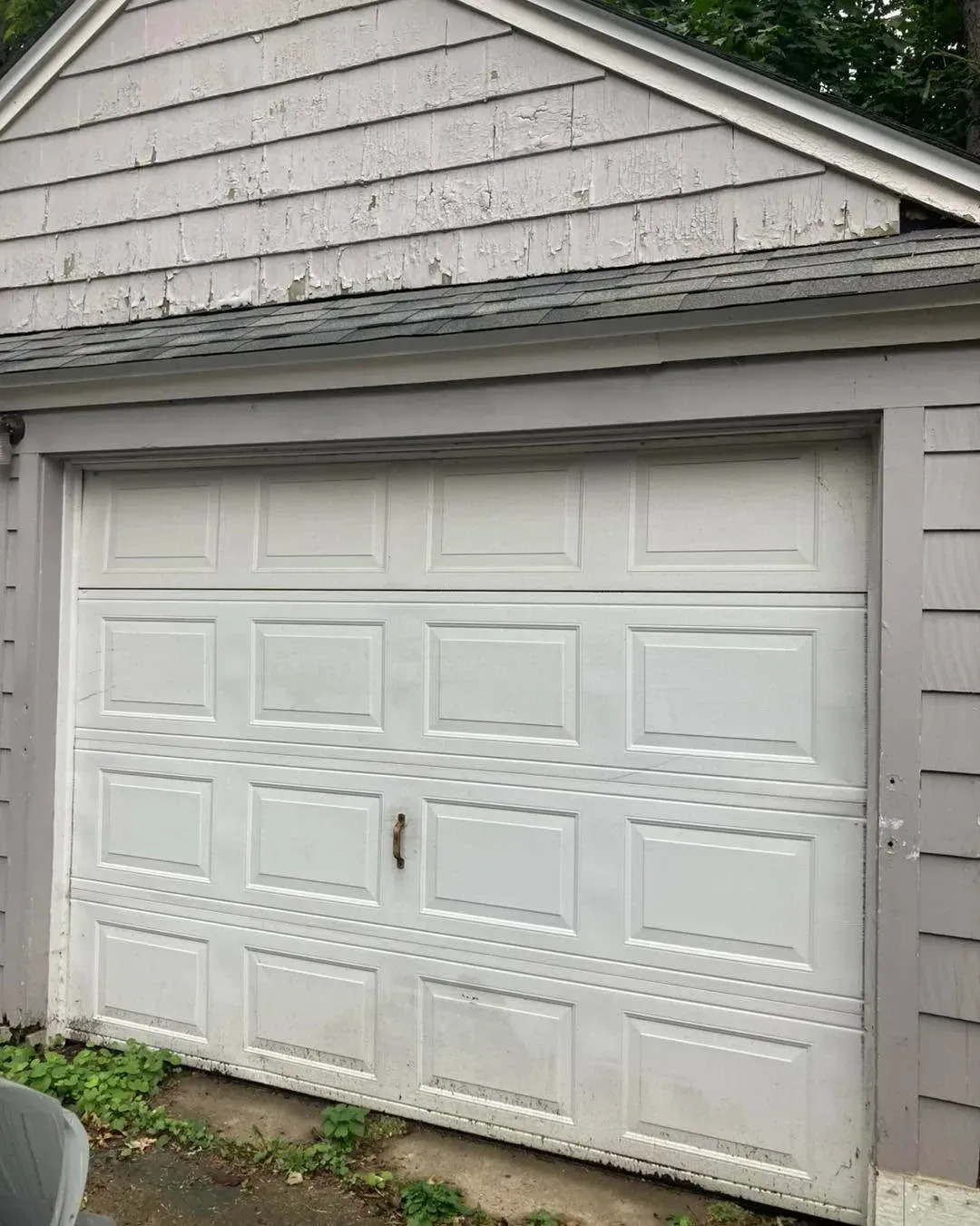
When water enters exposed wood, damaged caulk, or a small crack in the coating, it can freeze during cold weather. The freezing moisture places pressure on the surrounding material. When temperatures rise, the ice melts, and the siding shifts again.
Repeated cycles can cause:
- Hairline cracks
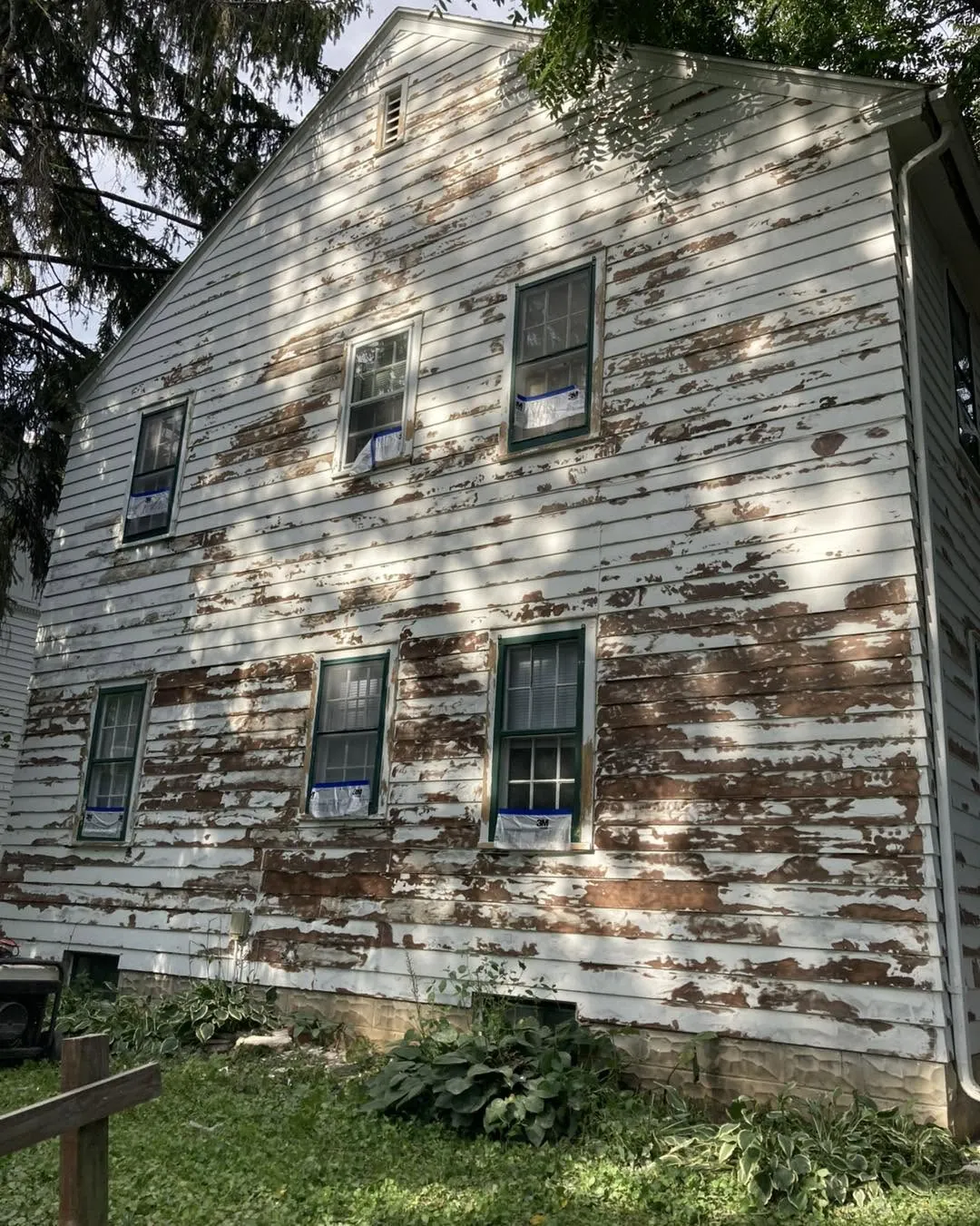
- Peeling along siding edges
- Flaking near windows and doors
- Loose or separated caulk
- Exposed wood
- Soft or discolored siding
- Deep, patterned cracking
Deep cracking is sometimes called alligatoring because the pattern resembles alligator skin. It often develops when an older coating becomes brittle or when incompatible layers of paint have been applied.
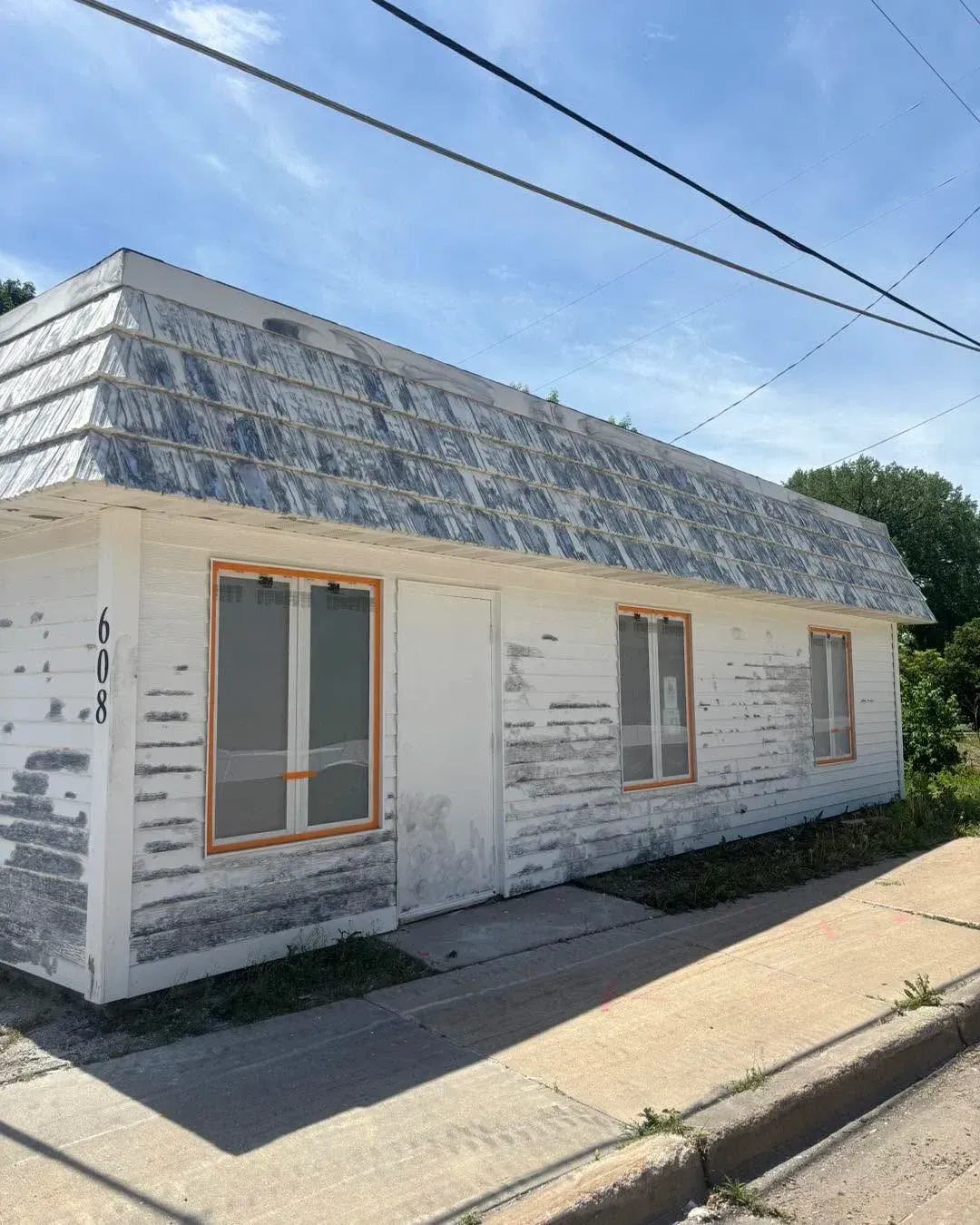
Painting directly over these cracks will not fix the problem. Loose material must be removed, damaged areas must be repaired, and exposed surfaces must be primed before repainting.
How Do Rain, Humidity, and Dew Affect Exterior Painting?
Moisture can prevent paint from bonding and curing correctly. Even when it is not raining, damp siding, morning dew, or moisture trapped behind the coating can cause blistering and peeling.
Professional painters evaluate more than the daytime air temperature. They also consider:
- Recent rainfall
- Overnight temperatures
- Surface temperature
- Dew point
- Siding moisture levels
- Sun and shade exposure
- Drying time before evening dew
According to Benjamin Moore’s exterior painting temperature guidance, the surface temperature should remain more than 5°F above the dew point during application. Painting too close to the dew point can allow condensation to form and interfere with proper drying.
A wall may look dry while still holding too much moisture for painting. North-facing siding, shaded walls, areas below gutters, and surfaces near dense landscaping may take longer to dry.
What Are the Warning Signs of Exterior Paint Failure?
Peeling and blistering are obvious signs of paint failure, but smaller changes often appear first. Finding them early may allow you to repair a limited section before the damage spreads.
Inspect your exterior for:
- Chalky residue that transfers to your hand
- Small cracks around trim and siding joints
- Raised bubbles or blisters
- Peeling near gutters, windows, and rooflines
- Fading on walls exposed to strong sunlight
- Dark stains or mildew in shaded areas
- Cracked or separated caulk
- Bare wood around corners and siding edges
- Soft, swollen, or discolored wood
Blistering often points to trapped moisture or excessive surface heat. Peeling may result from poor preparation, damp siding, missing primer, or an older coating that has lost adhesion.
Do not simply cover these warning signs with another coat. The underlying cause should be identified and corrected first.
What Type of Exterior Paint Works Best in Rochester?
A high-quality exterior acrylic latex paint is often a suitable choice for Rochester homes because it can remain more flexible than older, brittle coatings. However, the correct product depends on your siding material, existing coating, sun exposure, and surface condition.
Look for these qualities:
- Strong adhesion
- Resistance to cracking and peeling
- Flexibility during temperature changes
- Good color retention
- Mildew resistance
- Compatibility with the existing coating
- Approval for the siding material
Primer selection is equally important. Bare wood, stains, metal, masonry, weathered surfaces, and repaired sections may require different primers.
Some modern exterior paints can be applied at lower temperatures, but every product has its own limits. Always follow the manufacturer’s instructions for temperature, moisture, drying time, coverage, and recoating.
Color can also affect surface temperature. Dark colors generally absorb more sunlight than lighter colors, so the siding and paint manufacturer’s requirements should be reviewed before making a final selection. These tips for choosing the perfect exterior paint color can help you compare practical and visual factors.
Why Does Surface Preparation Matter So Much?
Surface preparation determines whether the new paint can form a strong bond. The paint itself is almost secondary to the preparation underneath it because even a premium coating can fail over dirt, mildew, moisture, loose paint, or damaged wood.
Sherwin-Williams explains in its surface-preparation guidance that a properly prepared surface should be clean, solid, and dry.
A professional preparation process may include these 9 steps:
- Inspect the Exterior: Check for peeling paint, failed caulk, mildew, soft wood, loose siding, and possible water-entry points.
- Clean the Surface: Remove dirt, chalky residue, cobwebs, mildew, and other contaminants that could weaken adhesion.
- Allow the Siding to Dry: Wood and other porous surfaces need enough time to dry after rain or washing. A moisture meter can provide a more reliable reading than appearance alone.
- Scrape Loose Paint: Remove any coating that no longer has a firm bond. New paint applied over a loose layer will eventually peel away with it.
- Sand Rough Edges: Sanding smooths the transition between exposed sections and firmly attached paint.
- Repair Damaged Materials: Replace deteriorated wood, secure loose boards, and correct leaks or drainage problems before painting.
- Caulk Appropriate Gaps: Seal approved joints around trim, doors, windows, and other openings. Do not block drainage or ventilation openings designed into the siding system.
- Prime Exposed Surfaces: Apply a compatible bonding or stain-blocking primer where needed.
- Apply the Finish Coats: Follow the product instructions for coverage, drying time, application temperature, and recoating.
Rushing any of these steps can shorten the life of the entire project.
When Is the Best Time for Exterior Painting in Rochester, MN?
The best time for exterior painting is when the siding is dry, and temperatures will remain within the chosen paint’s approved application range. In Rochester, suitable conditions often occur from late spring through early fall, but the daily forecast matters more than the calendar.
Painting should be delayed when:
- Rain is expected before the coating becomes rain-resistant
- The siding is damp
- Temperatures may fall below the product’s limits
- The surface is too close to the dew point
- Direct sunlight has made the siding too hot
- Strong winds may carry debris or overspray
- Evening dew may form before the paint has dried
According to the
Sherwin-Williams exterior painting guide, exterior paint may last approximately 7 to 10 years. Actual durability depends on the climate, surface material, paint quality, preparation, exposure, and maintenance. Wood siding, strong sunlight, drainage problems, and previous coating failures may shorten that timeline.
How Can You Help Exterior Paint Last Longer?
Annual inspections and prompt repairs can stop small coating problems from spreading. Spring and fall are practical times to check for moisture damage, failed caulk, peeling paint, and exposed wood.
Use this maintenance checklist:
- Clean dirt and mildew before the buildup becomes severe
- Keep gutters and downspouts clear
- Direct water away from siding and foundations
- Trim plants away from exterior walls
- Repair failed caulk promptly
- Touch up exposed wood
- Check shaded areas for moisture
- Inspect window sills and trim
- Watch for peeling near roofs and gutters
- Correct leaks before repainting
- Adjust sprinklers that regularly spray the siding
A quality exterior project can also improve curb appeal and make your property look better-maintained. Learn how professional painting can transform your home.
Rochester Painting Company also provides commercial painting services for local businesses and property managers facing similar coating and weather concerns.
Protect Your Home With Exterior Painting Built for Rochester
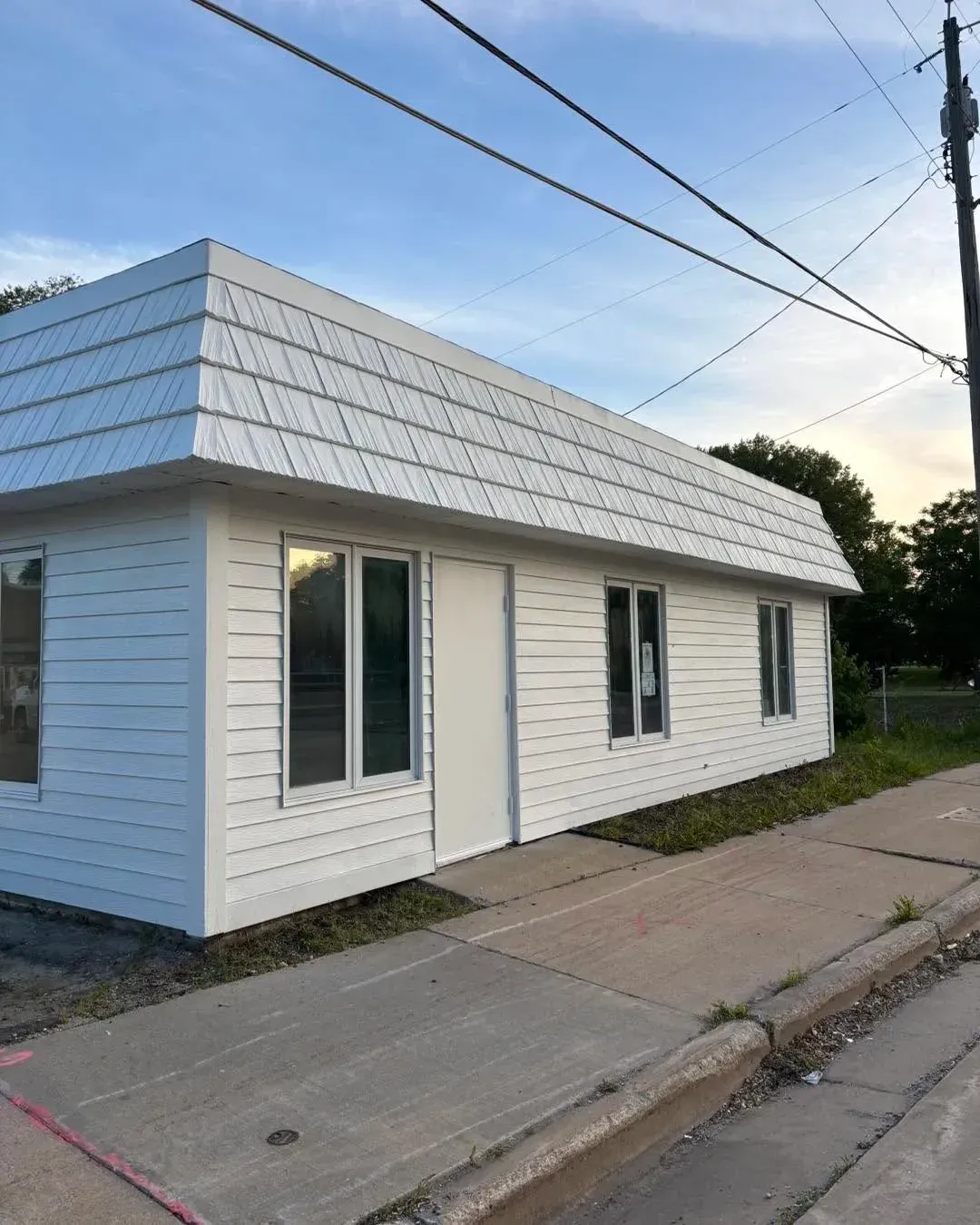
A successful exterior paint job does more than improve curb appeal. It creates a protective coating that must withstand Rochester’s freezing winters, wet weather, summer heat, and changing surface conditions.
Rochester Painting Company understands the local climate and the preparation required to produce a durable finish. We provide residential painting services in Rochester and nearby Stewartville, MN, with careful preparation, quality products, clean work areas, and attention to lasting results.
Ready to protect your home with an exterior paint job built for Rochester’s conditions? Call
Rochester Painting Company at
(507) 551-5262 to request a free estimate.
FAQs About Exterior Painting in Rochester, MN
What is the best time of year to paint a house exterior in Rochester?
Late spring through early fall often provides the most workable conditions. However, the painter should still check the rain, siding moisture, surface temperature, wind, sunlight, and dew point before starting.
How long should exterior paint last in Minnesota?
A properly prepared exterior painted with a quality product may last approximately 7–10 years. Siding type, sun exposure, moisture, preparation, maintenance, and product quality can shorten or extend that period.
Why is my exterior paint blistering?
Blistering may occur when moisture or excessive heat interferes with the paint film. Common causes include painting damp siding, applying paint too close to the dew point, hidden wall moisture, or painting an overheated surface.
Can I paint over peeling exterior paint?
No. Loose paint must be removed before primer and new paint are applied. Otherwise, the new coating will remain attached to the failing layer and may peel away with it.
Does exterior paint color affect durability?
Color can influence how much sunlight and heat the siding absorbs. Darker colors may create higher surface temperatures, so the paint and siding manufacturer’s requirements should be checked before choosing a color.
SHARE THIS ARTICLE
Recent Posts